



















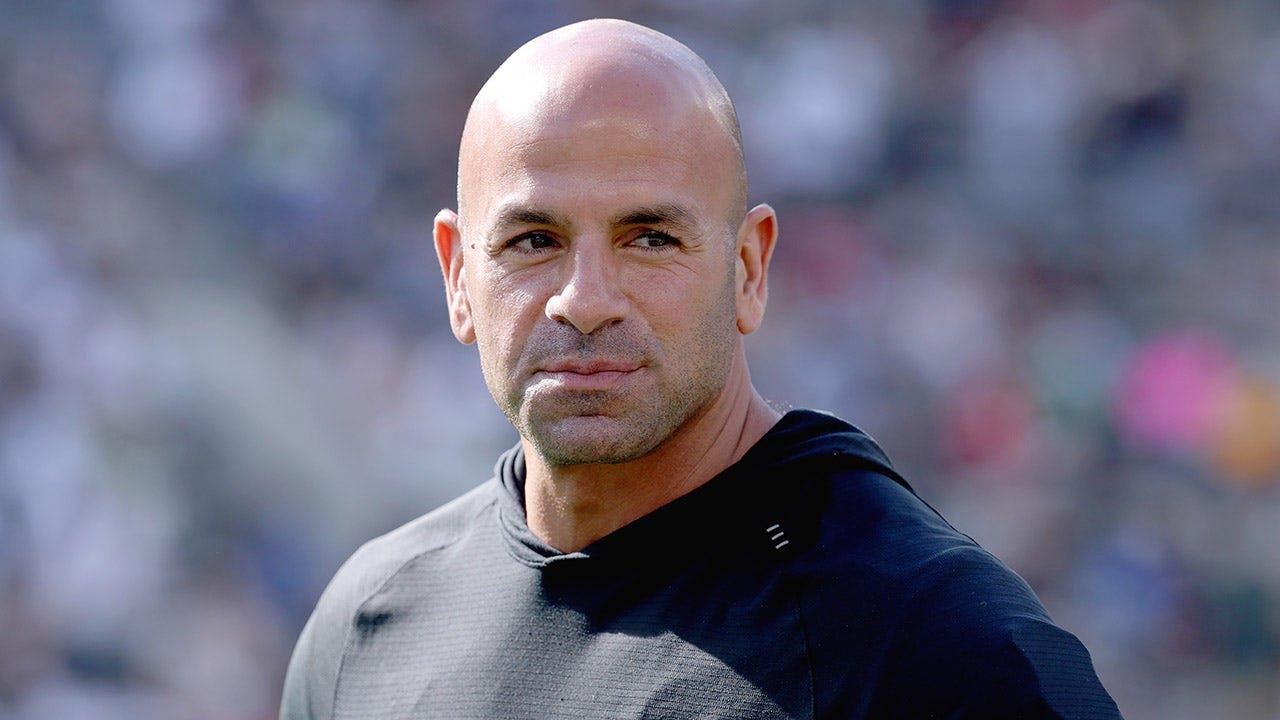
Titans Robert Saleh sparks nutritional value debate with seed oil ban in players team provided meals
In recent years, there has been a growing awareness of the negative health effects of consuming seed oils, such as canola and soybean oil. These oils are highly processed and often contain high levels of inflammatory omega-6 fatty acids, which can contribute to a variety of health issues, including heart disease, obesity, and diabetes. Recognizing the impact that diet can have on the overall health and performance of his players, Tennessee Titans head coach Robert Saleh made the bold decision to ban seed oils from the team facility and replace them with healthier alternatives.
Saleh’s decision to remove canola and soybean oil from the team facility was met with mixed reactions from both players and staff. Some were skeptical of the change, questioning whether it was really necessary or if it would have any significant impact on their health. Others, however, were supportive of the decision, recognizing the importance of fueling their bodies with high-quality, nutrient-dense foods in order to perform at their best on the field.
One of the main reasons Saleh decided to ban seed oils from the team facility was due to their inflammatory properties. Inflammation is the body’s natural response to injury or infection, but chronic inflammation caused by a poor diet can lead to a host of health issues. By eliminating seed oils from the team’s diet, Saleh hoped to reduce inflammation in his players’ bodies and improve their overall health and well-being.
In place of canola and soybean oil, Saleh introduced a variety of healthier alternatives, such as olive oil, avocado oil, and coconut oil. These oils are rich in monounsaturated and saturated fats, which have been shown to have numerous health benefits, including reducing inflammation, improving heart health, and supporting brain function. By making these healthier oils readily available in the team facility, Saleh hoped to make it easier for his players to make healthier choices when it came to their diet.
In addition to banning seed oils, Saleh also implemented other changes to the team’s diet in order to promote overall health and wellness. He increased the availability of fresh fruits and vegetables, lean proteins, and whole grains, while reducing the amount of processed foods and sugary drinks available in the facility. Saleh also worked closely with the team’s nutritionists to create personalized meal plans for each player, taking into account their individual dietary needs and preferences.
Despite initial skepticism from some players, the changes Saleh implemented in the team’s diet quickly began to show results. Players reported feeling more energized and focused during practices and games, and many noticed improvements in their recovery time after strenuous workouts. In addition, several players reported losing weight and improving their body composition as a result of the healthier diet.
The benefits of Saleh’s decision to ban seed oils from the team facility extended beyond just physical health. Many players also reported improvements in their mental health and overall well-being. By fueling their bodies with nutrient-dense foods, players found that they were better able to cope with the stress and demands of their profession, both on and off the field. Improved mood, better sleep, and increased mental clarity were just a few of the reported benefits of the new diet.
As word of Saleh’s innovative approach to nutrition spread throughout the NFL, other teams began to take notice. Several teams reached out to Saleh for advice on how to improve their own players’ diets and implement similar changes in their facilities. Saleh’s decision to ban seed oils had not only improved the health and performance of his own team but had also sparked a larger conversation about the importance of nutrition in professional sports.
In the years since Saleh implemented the ban on seed oils, the Tennessee Titans have seen continued success on the field. The team has made multiple playoff appearances and has been a contender for the Super Bowl title. Many attribute this success to the team’s focus on nutrition and overall health, with Saleh’s decision to ban seed oils being a key factor in their improved performance.
Looking ahead, Saleh plans to continue to prioritize the health and well-being of his players by making further improvements to the team’s diet and nutrition program. He is constantly researching the latest developments in sports nutrition and working with experts in the field to ensure that his players have access to the best possible resources. Saleh hopes that by prioritizing nutrition and overall health, the Tennessee Titans will continue to be a force to be reckoned with in the NFL for years to come.
In conclusion, Robert Saleh’s decision to ban seed oils from the Tennessee Titans’ team facility was a bold and innovative move that has had a profound impact on the health and performance of his players. By replacing canola and soybean oil with healthier alternatives, Saleh was able to reduce inflammation, improve overall health, and promote better recovery and performance on the field. The success of Saleh’s approach has not only benefited the Titans but has also sparked a larger conversation about the importance of nutrition in professional sports. As other teams begin to follow Saleh’s lead, it is clear that the ban on seed oils was just the beginning of a larger movement towards prioritizing nutrition and overall health in the world of professional sports.
Source: Fox News



















 LIVE
LIVE LIVE
LIVE